By Connor Ruebusch
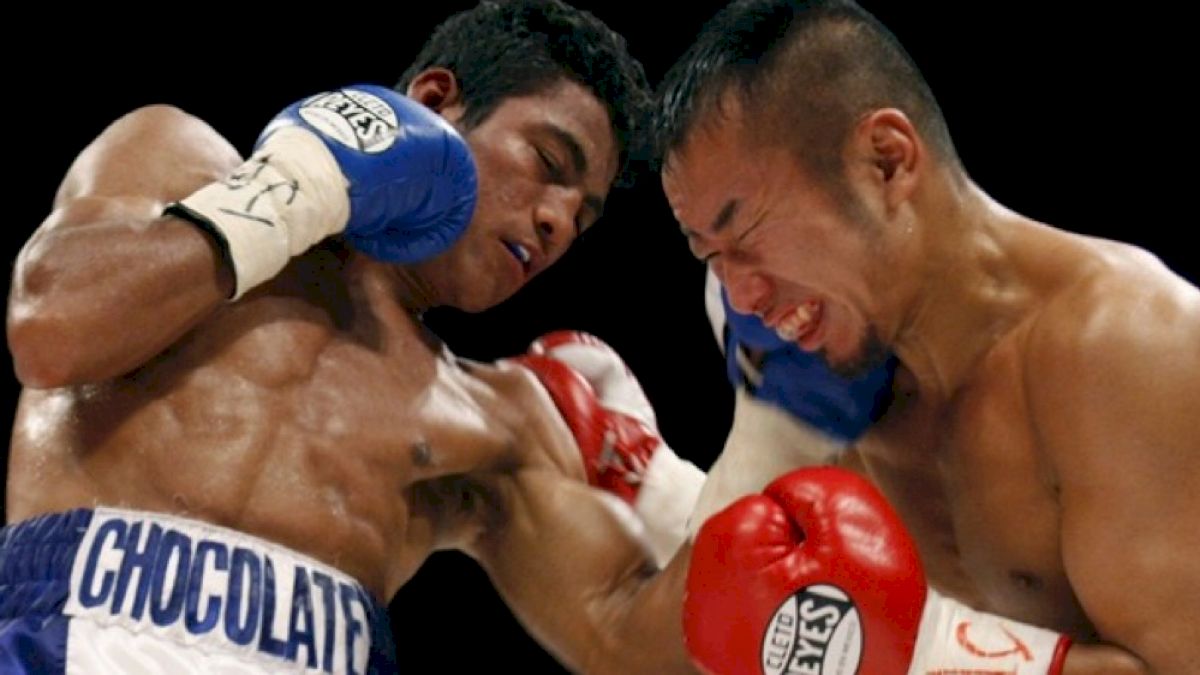
There are dozens of things for which to praise Roman Gonzalez, and now that the flyweight kingpin has broken through on the American boxing scene heÂ’s finally getting the accolades he deserves. In the aftermath of Mayweather-Pacquiao, seen by most as a colossal letdown, GonzalezÂ’s unrelenting aggression and superlative knockout rate seem to be getting the most praise.
But the protege of Alexis Arguello didn’t become the best boxer in the world just by pushing a pace and hitting hard. We risk forgetting what makes Gonzalez great by so emphatically distancing him from “boring” fighters like Floyd Mayweather. In fact, the very same qualities that made Mayweather so great are abundant in “Chocolatito.” Poise, intelligence, finesse: these are the things we only talk about in relation to “slick” fighters but Gonzalez radiates subtlety despite the crushing nature of his style.
Saturday, October 17th Gonzalez fought one of the toughest opponents of his career and showed just how great he is, overcoming a rough start against the hard hitting Brian Viloria and becoming the first man to ever put “Hawaiian Punch” on the canvas. Let’s take a look at some of the Nicaraguan nocaut artist’s more subtle touches, hidden in the moments between eye-catching combinations.
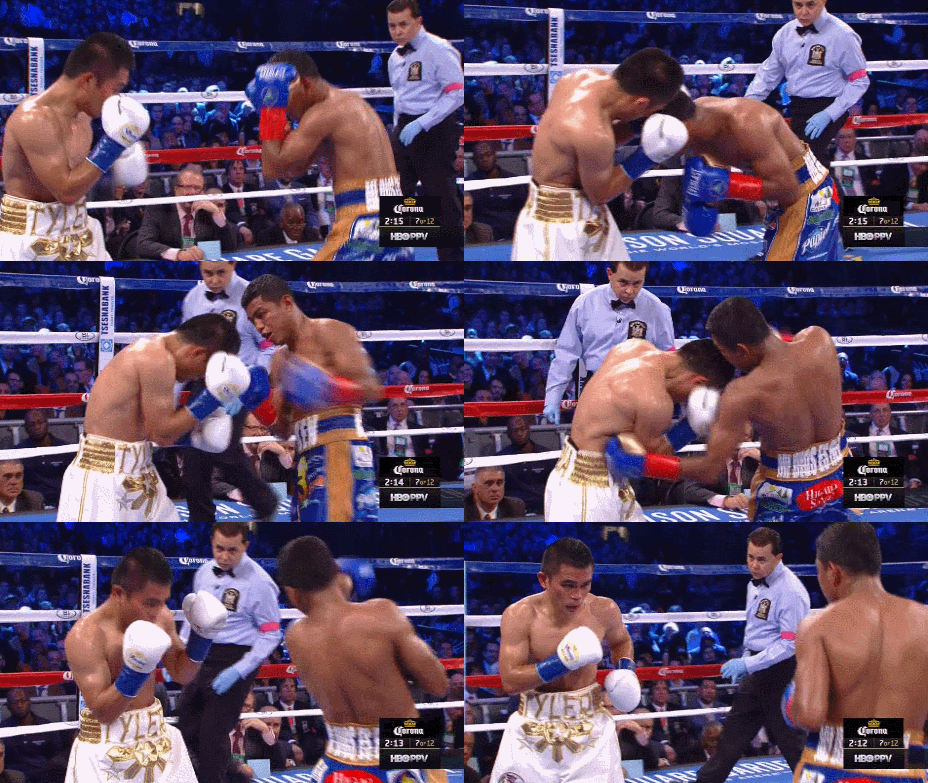
This is just a beautiful sequence of boxing. Unfortunately modern boxing broadcasts tend to cut off the fightersÂ’ feet, but we can infer GonzalezÂ’s footwork from the movement of his body. First, Viloria pursues Gonzalez with a three punch combination. Gonzalez blocks ViloriaÂ’s lead left hook and tries to counter with one of his own, but Viloria has already stepped inside, moving off to GonzalezÂ’s right to land a left hook to the body. With his eyes always on Viloria, Gonzalez lowers arm slightly to catch ViloriaÂ’s punch on the elbow.
Next, a pivot. Just a small movement, but more than enough to find the holes in ViloriaÂ’s position. Gonzalez swings his right foot around, making a subtle clockwise turn that allows him to face Viloria while the Hawaiian boxer is still recovering from his initial attack. Note how ViloriaÂ’s feet are suddenly squared. Gonzalez is suddenly facing him dead-on, feet staggered in perfect punching position, while Viloria can neither attack nor defend without adjusting his body. Before he can make that adjustment, Gonzalez snaps his head back with a short left uppercut, immediately followed by a straight right and another uppercut, all perfectly placed and all virtually unavoidable while Viloria struggles to reposition his feet.
Viloria, of course, is a skilled, experienced boxer, so he does indeed adjust his feet even as Gonzalez rains down punches. As soon as Viloria steps toward Gonzalez with his left foot, however, Gonzalez is already taking another angle. This time he pivots the opposite direction, taking a short step forward with his right foot and spinning on his left so that he ends up looking over ViloriaÂ’s left shoulder, keeping his forearm in contact with ViloriaÂ’s body as a sort of stabilizer, keeping tabs on his target even as he moves around it. ThereÂ’s a moment in which Viloria starts to stand up, as if suddenly realizing that Gonzalez is no longer right in front of him--but Gonzalez cracks him on the chin with a right uppercut before the epiphany can sink in.
In part, these little angles are what allow Gonzalez to fight at just a breakneck pace without absorbing much damage in the process. By moving side-to-side he nullifies his opponentÂ’s weapons, and puts his own to use while the other man works to keep up.
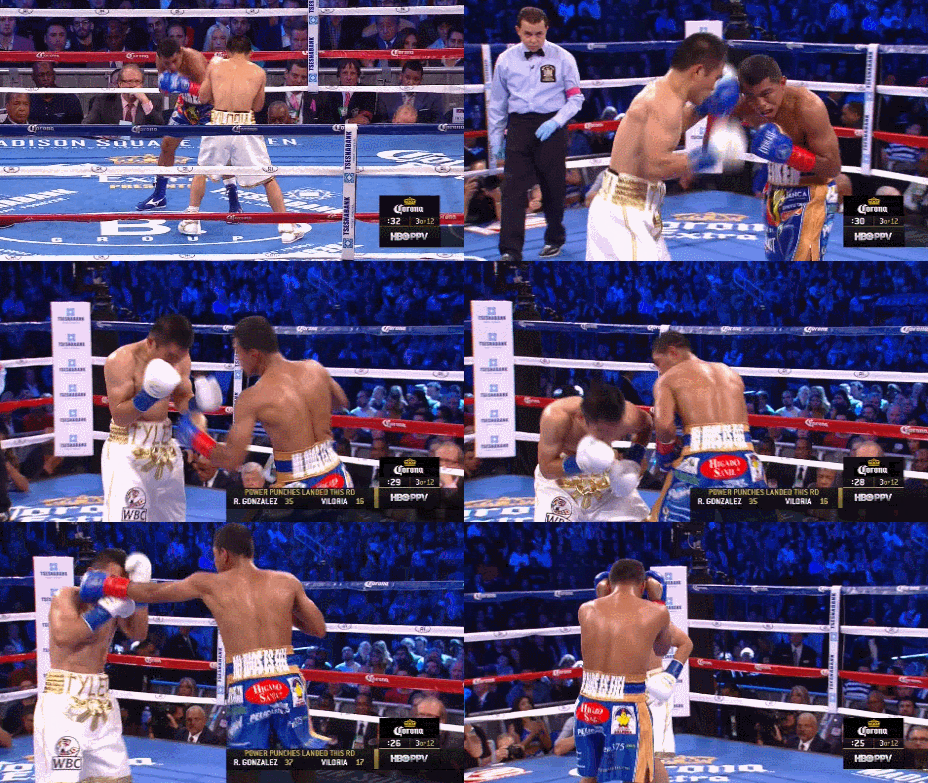
Not all of these punches land cleanly. In fact, none of them are perfectly clean, impactful shots other than the one left hook to the liver. Their composition is pretty incredible nonetheless. On the one hand, this is what boxing pundits often call an “up-down” attack, which is to say that Gonzalez brilliantly combines body and head punching in order to make his assault less predictable.
The term “up-down” applies to this flurry in more than one way, however. Not only do the levels of Gonzalez’s targets change, but the angle at which he attacks them does as well. First he attacks low with a straight right hand, before popping up with an uppercut when Viloria crouches down to match his level. After that comes a left hook, at a slightly upward arc, followed by a short right that strikes down and around the side of Viloria’s left glove. Finally, a pair of upward left hands, one a liver shot, and the other an uppercut to the nose.
Just as changing targets helps to create openings in the opponentÂ’s guard, attacking from different trajectories allows Gonzalez to capitalize on changes in ViloriaÂ’s body position. If Viloria drops down or leans forward, heÂ’s going to run into an upward arcing blow--but the moment he tries to stand upright, heÂ’s going to be hit like a hammer by a nail by a punch coming over the top. GonzalezÂ’s volume is impressive, but itÂ’s the intelligence behind every shot that makes it so incredibly effective.
Of course, thereÂ’s not a whole lot of upper body movement from Viloria in this example, but thatÂ’s the beauty of this practice. Gonzalez attacks this way all the time, changing his angles and punishing his opponent for every conceivable method of defense. Ultimately, the composition of punches becomes so difficult to predict that the opponent stops moving his head at all for fear of moving into a punch and thus worsening its impact--and that works just fine for Chocolatito. Because if thereÂ’s one thing better than hitting your opponent no matter where his head moves, itÂ’s keeping his head right in place. Easy pickings.
Rhythm is a language that transcends borders and the boxing styles that inhabit them. You can go anywhere in the world and clap a simple 4/4 rhythm, and anyone with an iota of musical ability would be able to match you tempo--in a sense, predicting and timing when your next clap will fall. For boxers, this universality poses a real threat: to be timed is to be hit, or to have your own hits avoided. So for boxers, a broken rhythm works best. Essentially, the best boxers are world class dancers who force themselves to dance badly. ItÂ’s not easy.
There’s a lot of fluidity to these movements in real time, but we can get a basic understanding of boxing tempo by measuring things in “full beats” and “half beats.” Take a look at the first two punches Gonzalez throws. One-two. Two punches, falling on two half beats. No punch occupies the next half beat, however. Instead Gonzalez loads up on a second left uppercut, hesitating for a split second before landing the punch. A full beat or so as he steps back, and he uncorks a short right hand. Another full beat, then two half beat shots one after the other.
You canÂ’t dance to Roman GonzalezÂ’s punches. Set him to music, and his movements make no sense. And thatÂ’s the point. VIloria spent long portions of the fight just waiting and defending, trying to get a handle on what Gonzalez was going to do next, or whether he was going to do anything at all. He struggled so much to get GonzalezÂ’s timing that he never realized how much time he was spending just waiting, blocking two or three out of every five punches but taking more than his fair share in the process, and struggling to do anything effective himself. Gonzalez led the dance round after round, and led it so awkwardly that his dance partner just couldnÂ’t keep up.
Boxing isnÂ’t just an athletic enterprise. It takes intellect, and Roman Gonzalez is a fine example of just that. ThereÂ’s an appealing dissonance that resonates from ChocolatitoÂ’s every move. HeÂ’s a vicious fighter; but heÂ’s also a clever craftsman. HeÂ’s gritty and tough; but heÂ’s also smooth as silk. HeÂ’s a knockout puncher, yes. But heÂ’s also a knockout artist, and thatÂ’s a thing to be cherished.
There are dozens of things for which to praise Roman Gonzalez, and now that the flyweight kingpin has broken through on the American boxing scene heÂ’s finally getting the accolades he deserves. In the aftermath of Mayweather-Pacquiao, seen by most as a colossal letdown, GonzalezÂ’s unrelenting aggression and superlative knockout rate seem to be getting the most praise.
But the protege of Alexis Arguello didn’t become the best boxer in the world just by pushing a pace and hitting hard. We risk forgetting what makes Gonzalez great by so emphatically distancing him from “boring” fighters like Floyd Mayweather. In fact, the very same qualities that made Mayweather so great are abundant in “Chocolatito.” Poise, intelligence, finesse: these are the things we only talk about in relation to “slick” fighters but Gonzalez radiates subtlety despite the crushing nature of his style.
Saturday, October 17th Gonzalez fought one of the toughest opponents of his career and showed just how great he is, overcoming a rough start against the hard hitting Brian Viloria and becoming the first man to ever put “Hawaiian Punch” on the canvas. Let’s take a look at some of the Nicaraguan nocaut artist’s more subtle touches, hidden in the moments between eye-catching combinations.
FOOTWORK
Gonzalez has often been lauded for the way he navigates the ring, but one of his most impressive skills is his ability to navigate his opponent, pivoting from side to side before, during, and after his punches.
This is just a beautiful sequence of boxing. Unfortunately modern boxing broadcasts tend to cut off the fightersÂ’ feet, but we can infer GonzalezÂ’s footwork from the movement of his body. First, Viloria pursues Gonzalez with a three punch combination. Gonzalez blocks ViloriaÂ’s lead left hook and tries to counter with one of his own, but Viloria has already stepped inside, moving off to GonzalezÂ’s right to land a left hook to the body. With his eyes always on Viloria, Gonzalez lowers arm slightly to catch ViloriaÂ’s punch on the elbow.
Next, a pivot. Just a small movement, but more than enough to find the holes in ViloriaÂ’s position. Gonzalez swings his right foot around, making a subtle clockwise turn that allows him to face Viloria while the Hawaiian boxer is still recovering from his initial attack. Note how ViloriaÂ’s feet are suddenly squared. Gonzalez is suddenly facing him dead-on, feet staggered in perfect punching position, while Viloria can neither attack nor defend without adjusting his body. Before he can make that adjustment, Gonzalez snaps his head back with a short left uppercut, immediately followed by a straight right and another uppercut, all perfectly placed and all virtually unavoidable while Viloria struggles to reposition his feet.
Viloria, of course, is a skilled, experienced boxer, so he does indeed adjust his feet even as Gonzalez rains down punches. As soon as Viloria steps toward Gonzalez with his left foot, however, Gonzalez is already taking another angle. This time he pivots the opposite direction, taking a short step forward with his right foot and spinning on his left so that he ends up looking over ViloriaÂ’s left shoulder, keeping his forearm in contact with ViloriaÂ’s body as a sort of stabilizer, keeping tabs on his target even as he moves around it. ThereÂ’s a moment in which Viloria starts to stand up, as if suddenly realizing that Gonzalez is no longer right in front of him--but Gonzalez cracks him on the chin with a right uppercut before the epiphany can sink in.
In part, these little angles are what allow Gonzalez to fight at just a breakneck pace without absorbing much damage in the process. By moving side-to-side he nullifies his opponentÂ’s weapons, and puts his own to use while the other man works to keep up.
ANGLES OF ATTACK
ThereÂ’s more to the sequence above than footwork. As skilled as Gonzalez is with his feet, his hands deserve just as much praise. Specifically, Gonzalez plays with the targets and angles of his punches to befuddle the defensive reactions of an opponent. Watch him unleashing this combination on Viloria in the seventh round.
Not all of these punches land cleanly. In fact, none of them are perfectly clean, impactful shots other than the one left hook to the liver. Their composition is pretty incredible nonetheless. On the one hand, this is what boxing pundits often call an “up-down” attack, which is to say that Gonzalez brilliantly combines body and head punching in order to make his assault less predictable.
The term “up-down” applies to this flurry in more than one way, however. Not only do the levels of Gonzalez’s targets change, but the angle at which he attacks them does as well. First he attacks low with a straight right hand, before popping up with an uppercut when Viloria crouches down to match his level. After that comes a left hook, at a slightly upward arc, followed by a short right that strikes down and around the side of Viloria’s left glove. Finally, a pair of upward left hands, one a liver shot, and the other an uppercut to the nose.
Just as changing targets helps to create openings in the opponentÂ’s guard, attacking from different trajectories allows Gonzalez to capitalize on changes in ViloriaÂ’s body position. If Viloria drops down or leans forward, heÂ’s going to run into an upward arcing blow--but the moment he tries to stand upright, heÂ’s going to be hit like a hammer by a nail by a punch coming over the top. GonzalezÂ’s volume is impressive, but itÂ’s the intelligence behind every shot that makes it so incredibly effective.
Of course, thereÂ’s not a whole lot of upper body movement from Viloria in this example, but thatÂ’s the beauty of this practice. Gonzalez attacks this way all the time, changing his angles and punishing his opponent for every conceivable method of defense. Ultimately, the composition of punches becomes so difficult to predict that the opponent stops moving his head at all for fear of moving into a punch and thus worsening its impact--and that works just fine for Chocolatito. Because if thereÂ’s one thing better than hitting your opponent no matter where his head moves, itÂ’s keeping his head right in place. Easy pickings.
RHYTHM
If a steady beat is what makes a pop song catchy, then clever boxing is more like freeform jazz. Boxing, like just about anything humans do, tends to have a sort of natural rhythm to it. If you’ve ever watched a competitor move and thought, “He looks athletic,” chances are it was a subtle rhythm to his movements which gave you that impression.Rhythm is a language that transcends borders and the boxing styles that inhabit them. You can go anywhere in the world and clap a simple 4/4 rhythm, and anyone with an iota of musical ability would be able to match you tempo--in a sense, predicting and timing when your next clap will fall. For boxers, this universality poses a real threat: to be timed is to be hit, or to have your own hits avoided. So for boxers, a broken rhythm works best. Essentially, the best boxers are world class dancers who force themselves to dance badly. It’s not easy.
There’s a lot of fluidity to these movements in real time, but we can get a basic understanding of boxing tempo by measuring things in “full beats” and “half beats.” Take a look at the first two punches Gonzalez throws. One-two. Two punches, falling on two half beats. No punch occupies the next half beat, however. Instead Gonzalez loads up on a second left uppercut, hesitating for a split second before landing the punch. A full beat or so as he steps back, and he uncorks a short right hand. Another full beat, then two half beat shots one after the other.
You canÂ’t dance to Roman GonzalezÂ’s punches. Set him to music, and his movements make no sense. And thatÂ’s the point. VIloria spent long portions of the fight just waiting and defending, trying to get a handle on what Gonzalez was going to do next, or whether he was going to do anything at all. He struggled so much to get GonzalezÂ’s timing that he never realized how much time he was spending just waiting, blocking two or three out of every five punches but taking more than his fair share in the process, and struggling to do anything effective himself. Gonzalez led the dance round after round, and led it so awkwardly that his dance partner just couldnÂ’t keep up.
Boxing isnÂ’t just an athletic enterprise. It takes intellect, and Roman Gonzalez is a fine example of just that. ThereÂ’s an appealing dissonance that resonates from ChocolatitoÂ’s every move. HeÂ’s a vicious fighter; but heÂ’s also a clever craftsman. HeÂ’s gritty and tough; but heÂ’s also smooth as silk. HeÂ’s a knockout puncher, yes. But heÂ’s also a knockout artist, and thatÂ’s a thing to be cherished.